Showing posts with label brief 3. Show all posts

OUGD504: Secondary Research into Kew Gardens

by Roxxie Blackham on Saturday, 21 December 2013


Saving seeds worldwide and safeguarding plant life to help solve some of the world’s most pressing problems.

The Millennium Seed Bank Partnership (MSBP) is a network that, in December 2012, comprised 170 partners in 80 countries. In 2009, the MSBP hit its first target of collecting and banking seed from 24,200 plant species in just 10 years. That success is testament to the power of the partnership and makes us confident we can achieve still more over the period up to 2020 by when we will have seed from 75,000 species in safe storage. This represents about a quarter of all the world’s bankable species.

Our priorities are useful species and plants most threatened by changing climate - those from drylands and islands, mountains and coastal regions - and from parts of the world where there are large gaps in our collections. The MSBP isn't only about safeguarding seed for the future but about helping solve some of the world's most pressing problems through the use of plants.


I thought that the current welcome pack and certificate that you receive isn't really that appealing! No wonder the younger generation don't find plant-life that appealing or 'cool'!


How can I make the designs better and more appealing?
How can I appeal to the younger generation?!?!?!

OUGD504: Design For Print & Web Secondary Research

by Roxxie Blackham on Saturday, 14 December 2013

Paper-making:
Paper-making is the process of making paper, a substance that is used universally today for writing and packaging. In paper-making a dilute suspension of fivers in water is drained through a screen, so that a mat of randomly interwoven fibbers is laid down. Water is removed from this mat of fivers by pressing and drying to make paper. Since the invention of the Fourdrinier machine, 19C, most paper has been made from wood pulp because of cost. But other fibre sources such as cotton and textiles used for high quality papers. Previously, paper was made up of rags and hemp as well as other materials.


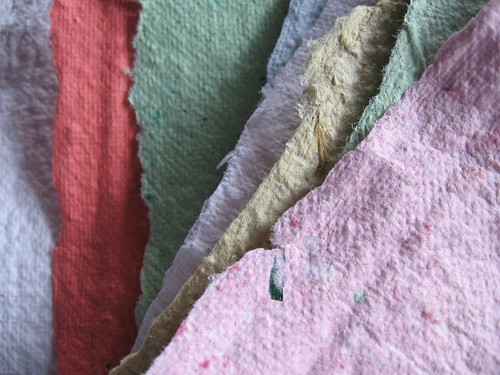
Examples of hand-made paper:


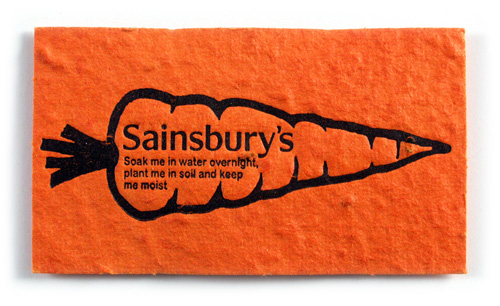
Looking at hand-made paper online showed various possibilities when it comes to making paper. The use of flowers / plants within the paper is particularly interesting - could I craft my own paper using plants or seeds that are relevant to the types of plants I'm asking the audience to grow?


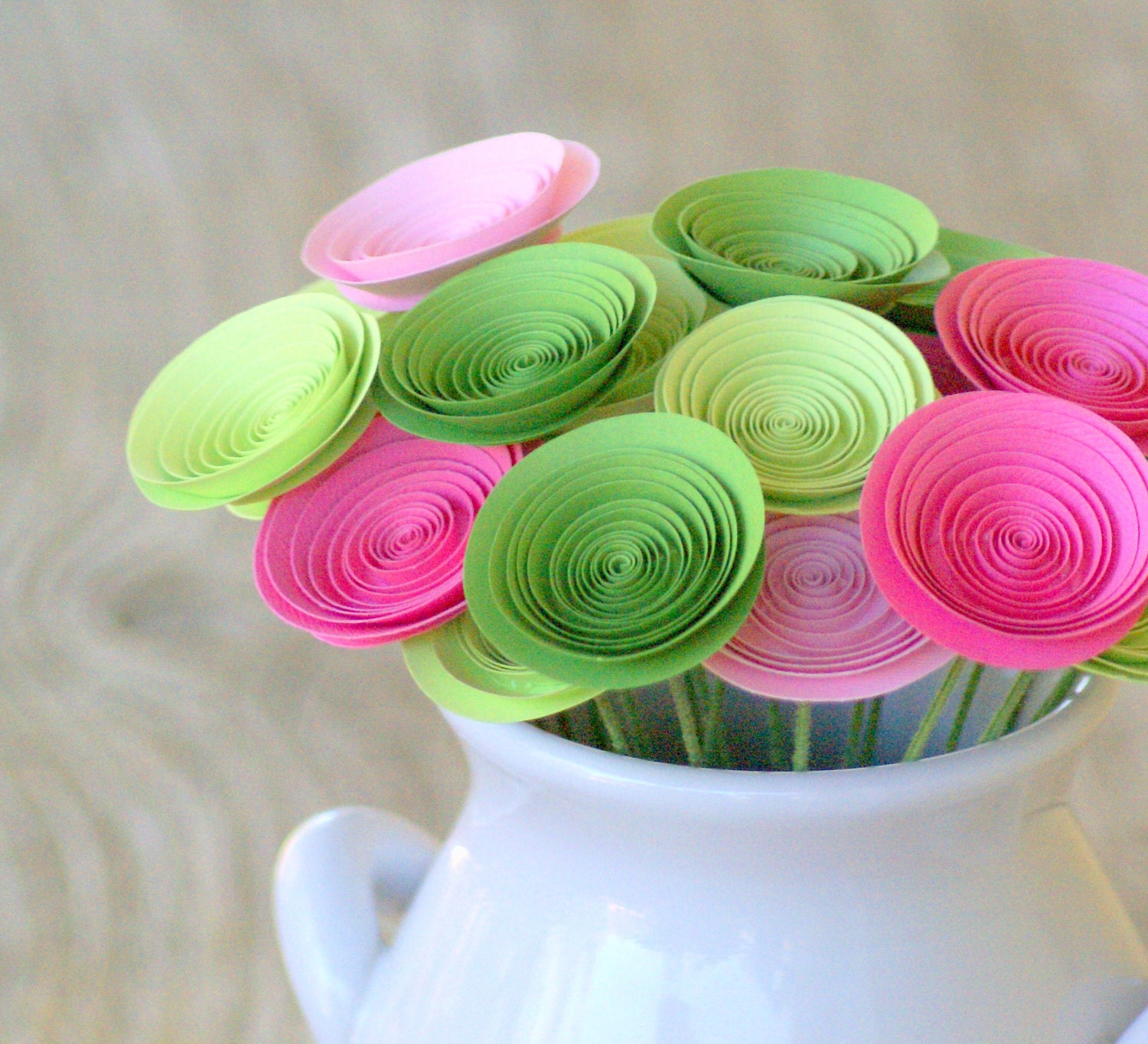
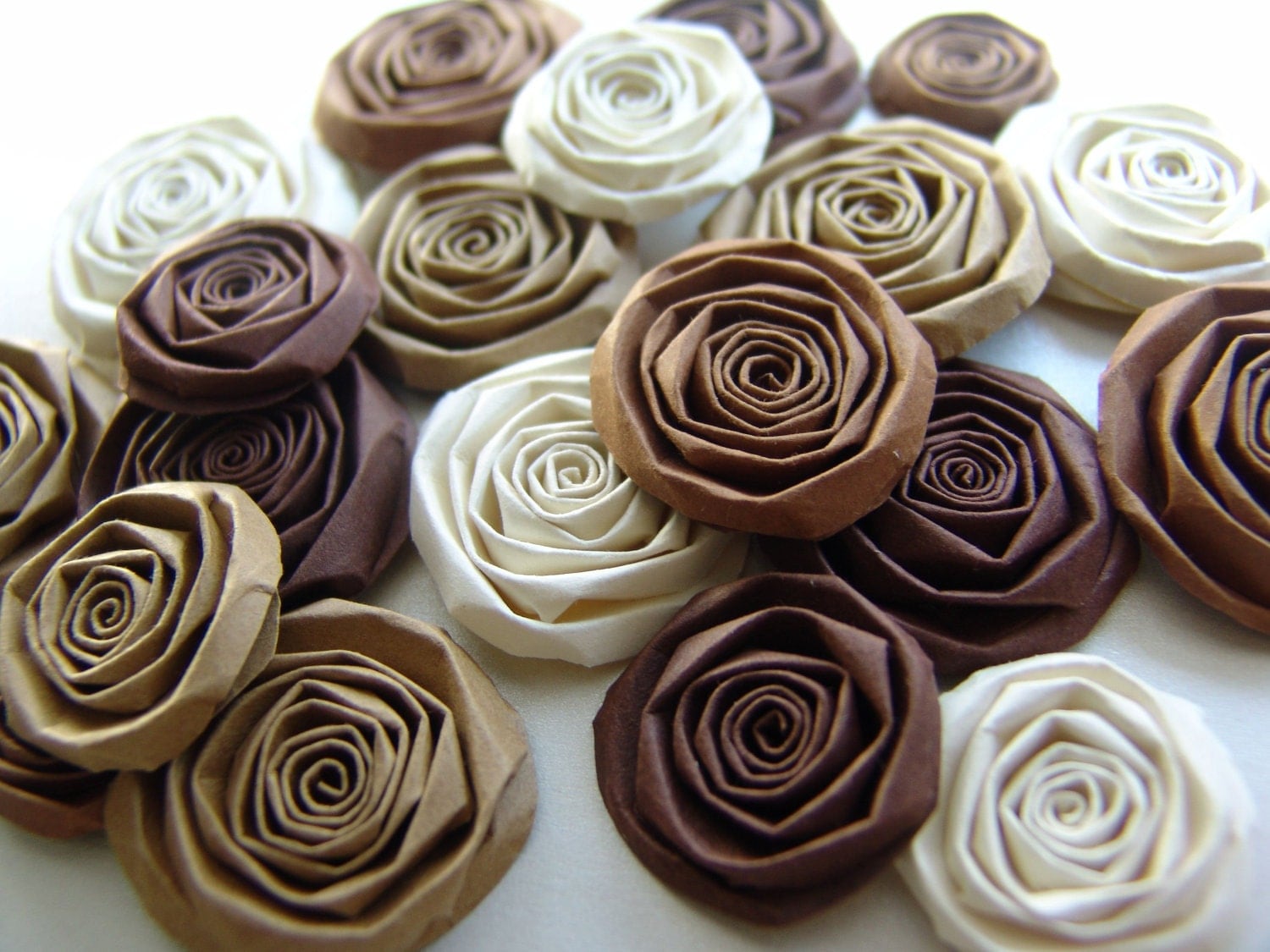
Could I make the paper in origami flower shapes??


The origami plants could even be made out of the hand-made seed paper, so you could put your plant in the soil and watch it grow!

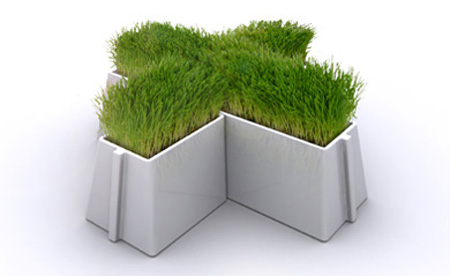
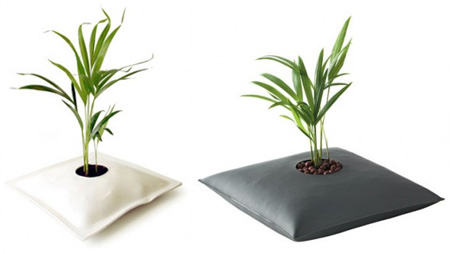
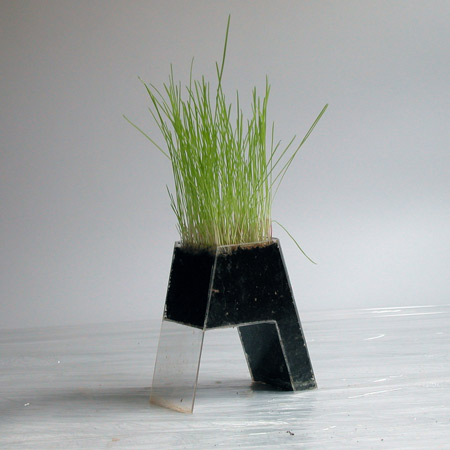
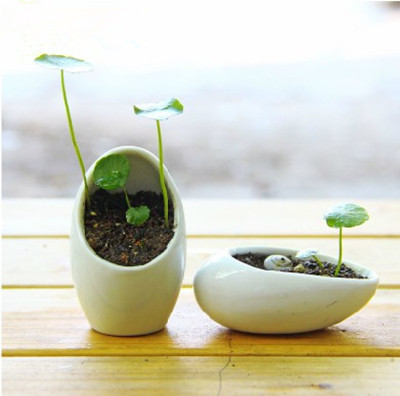
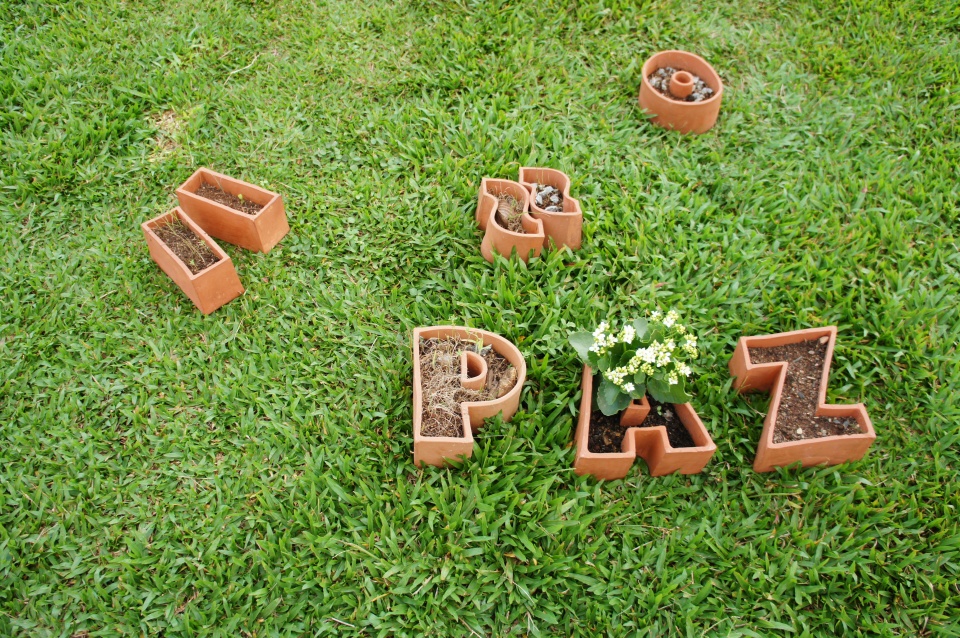
What shape could plant pots be??


I really love the idea of creating a way of controlling how the seeds could grow - could I make them grow into a word or a letterform???

OUGD504: Secondary Research For Design For Print & Web

by Roxxie Blackham on Friday, 13 December 2013

Micrographia
The description, study, drawing or photography of microscopic objects. The art or practice of writing in minute characters.

For example: writing on rice
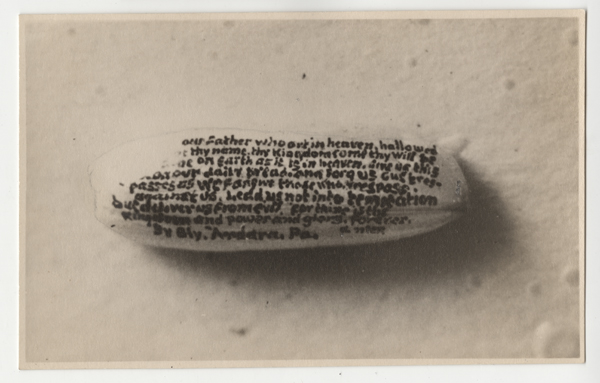


I thought that maybe I could try writing onto seeds as part of the product?

When I researched into this online, I couldn't find any record of anyone else writing on seeds!....


Could the seeds be hand-made?

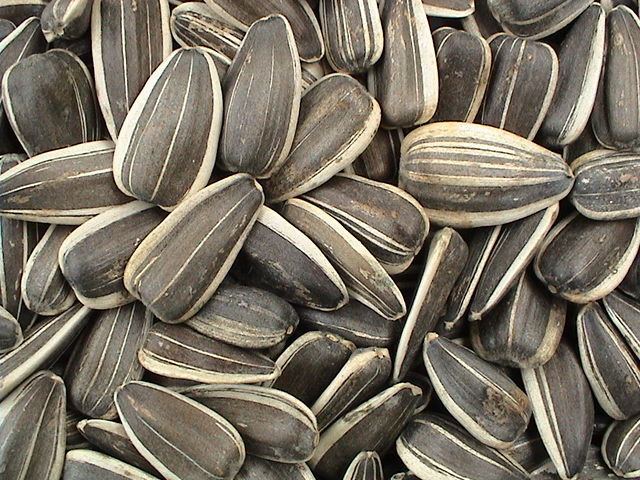
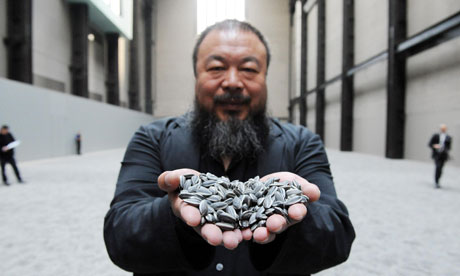
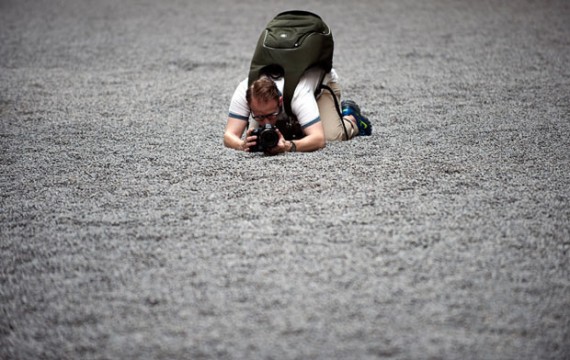
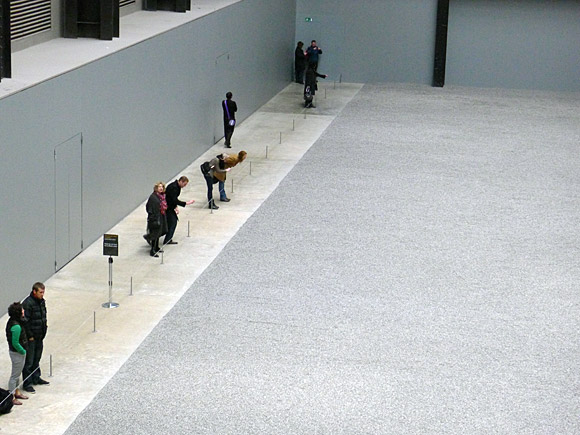
Ai Weiwei created millions of sunflower seeds out of porcelain and covered the floor of the Turbine Hall at the Tate Modern, London.


I went to this exhibition in 2011, unfortunately we weren't allowed to interact with the sunflower seeds when I visited the Tate, as they had found traces of lead within the seeds and were worried about lead poisoning! I was even told off for trying to lean over the barriers and get myself a seed to take home!


I also couldn't find any photos I took when I went, which is extremely annoying!!!

More about Ai Weiwei's Sunflower Seeds:

OUGD504: Design For Print & Web Secondary Research

by Roxxie Blackham on Sunday, 8 December 2013

Research into organic packaging


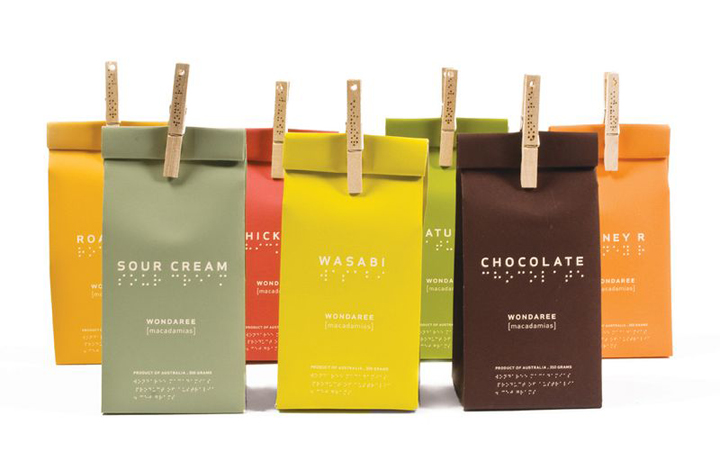
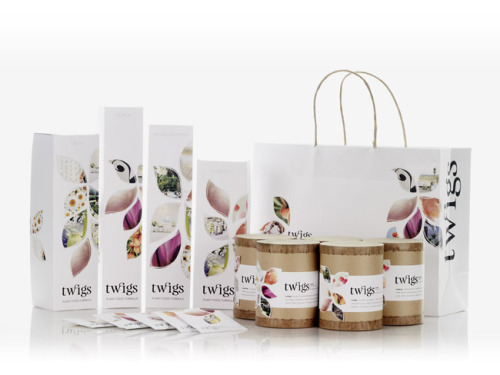
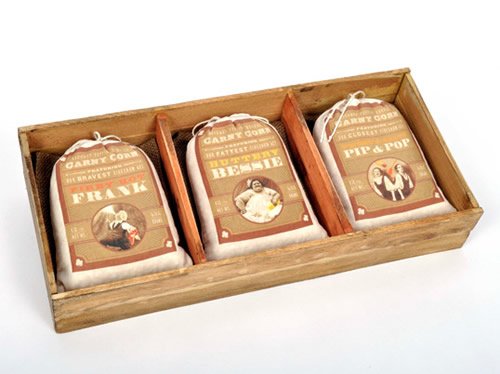
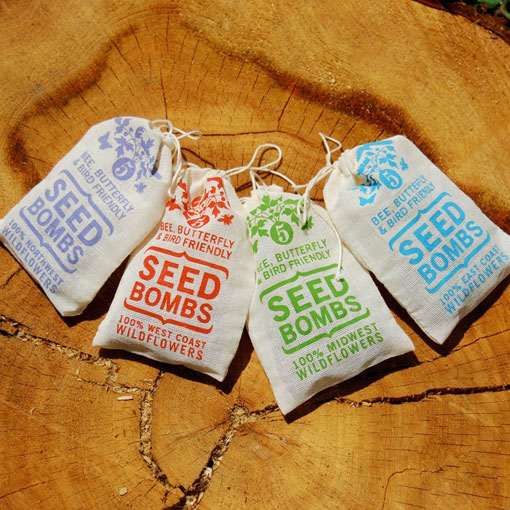
I quite like the idea of using hessian style cloth for sacks to package the products. This gives a really organic and natural feeling to the packaging. It's also quite a unique idea - you don't often see this type of material used for packaging.


The use of pegs to hold packs together is more natural and organic than using glue or melting the plastic together to seal it.


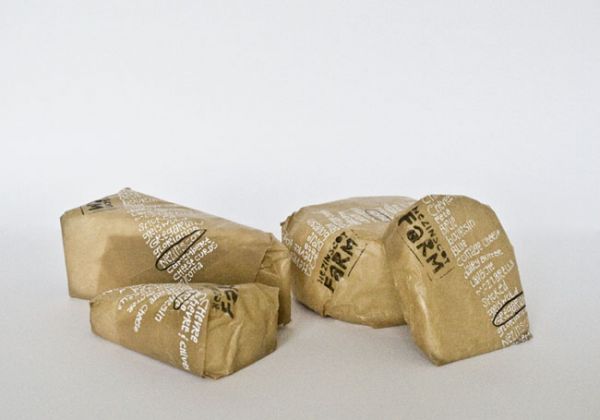
Sheets of brown paper with screen printed type on it also looks very organic and natural.


The consistency of the brand 100 x 100 is reflected really obviously within this packaging and makes it feel as a whole set of products.


The orange belly band adds class to these packages and gives a bit of colour to what would have been a very brown box.


✿✿✿✿✿✿✿✿✿✿✿

Research into plant packaging


I found the stock used for this packaging interesting, as it looks as though it has been made from recycled paper or like it could be biodegradable.


I thought that this packaging idea was quite humorous and cleverly designed, as it does look as though the plants are in the room, rather than hidden inside the box by the use of clever imagery.


I liked the fact that this plant packaging was made out of some pieces of wood.


This packaging was quite cute, as well as humorous - it looks as though the grass growing out of the top of the plant is hair.


It was different to see some plants packaged within 3D prisms made of paper.


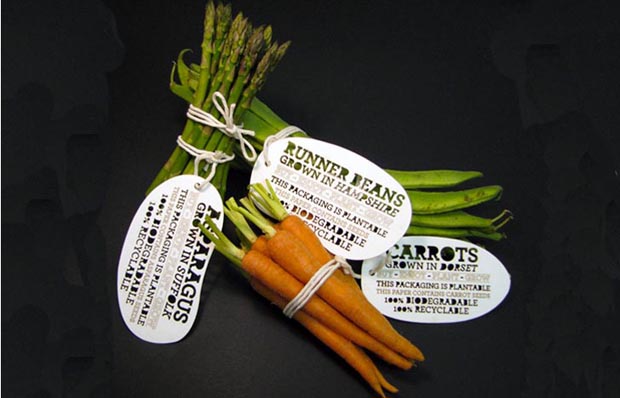
This packaging idea was really interesting, as you could plant the labels in the ground (they were fully biodegradable) and within the labels were different kinds of seeds, so your veggies will grow!


I liked the use of a big wooden box to contain the packaged products.


✿✿✿✿✿✿✿✿✿✿✿

Research into seed packaging


The info graphics on these seed boxes were particularly interesting and eye-catching. I thought that they were clever representations of the types of seeds you receive, and how many you receive.


I liked the illustrative feel to these packages.


I liked the idea of having a window in the packaging so that thou could see what the seeds inside looked like.


I really like the idea of having some packaging containing different types of seeds, where you can choose which seeds are dispatched by tearing off that particular section. This will be more environmentally friendly, as it will cut down on packaging!


These seed packets seemed a bit too colourful, and not so organic!


Use of the info graphics previously mentioned, but across several products.


✿✿✿✿✿✿✿✿✿✿✿

I've noticed that brown stock is used throughout organic and natural packaging products - this will probably be due to the fact that brown is a very natural and 'earthy' colour, so relates to the organic colour scheme of nature and plants. Brown paper also gives off an eco-friendly feel, and as though it's been produced from a sustainable resource.

A lot of packaging out there doesn't include that much colour in the printed art work themselves, but rely more on the colour of chosen stock. Occasionally colours will be used, but only if it is relevant.